Get Tree Curbing Installation
Tree curbing installation services help property owners prevent tree damage, control root spread, and improve landscape safety through professional barrier and curb installation.
Tree curbings are an essential part of maintaining a safe and attractive property. Properly installed curbings can help define landscaping, prevent damage to sidewalks and driveways, and ensure trees are supported and protected over time. Property owners in the area who are planning landscaping projects or seeking to improve safety may find exploring local curb installation options beneficial. Understanding the available services can help in making informed decisions that align with their property’s needs and aesthetic goals.
By comparing local contractors who specialize in tree curbing installation, property owners can find experienced service providers suited to their specific project requirements. Whether for new installations or upgrades to existing curbings, it’s helpful to consider the options available nearby. Continuing to explore the local market can lead to connections with professionals equipped to handle the work efficiently and effectively, supporting the long-term health and appearance of outdoor spaces.
- Tree Curbing Installation - when property owners need to create a defined border around trees for aesthetic or protective reasons.
- Tree Curbing Installation - to prevent lawn equipment from damaging tree trunks in landscaped areas.
- Tree Curbing Installation - when establishing a clean edge between planting beds and lawns for a polished appearance.
- Tree Curbing Installation - to help contain mulch or soil around trees and improve landscape organization.
- Tree Curbing Installation - when installing a barrier to protect tree roots from foot traffic or construction activities.
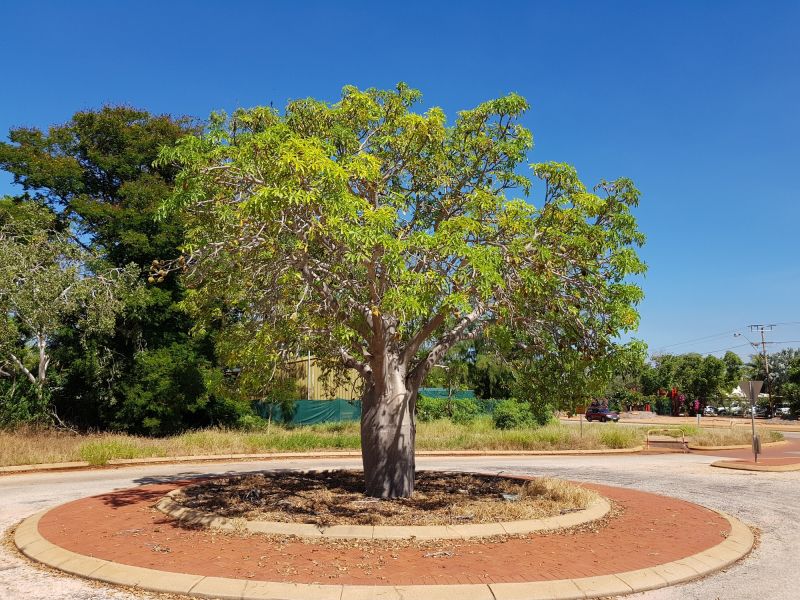
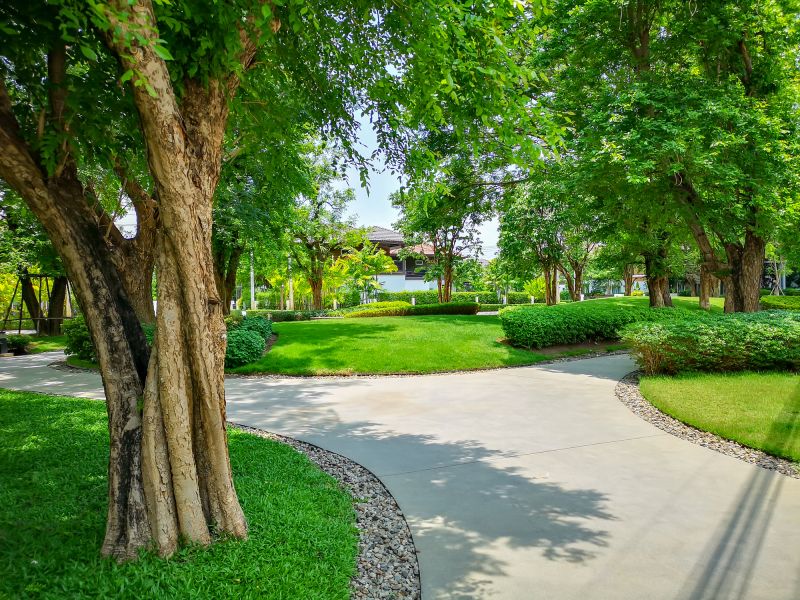
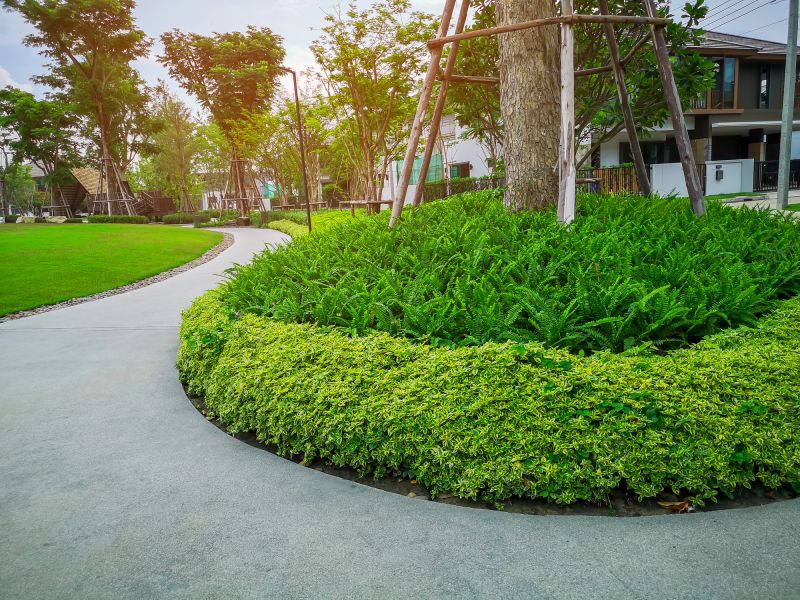
Tree curbing installation involves creating a defined border or barrier around the base of a tree to protect its root zone and improve the overall landscape appearance. This service typically includes the installation of concrete, stone, or other durable materials that form a clean edge around the tree’s trunk. Properly installed tree curbing helps prevent damage from lawn equipment, foot traffic, and landscaping activities, ensuring the tree’s roots remain undisturbed and healthy. It also provides a neat, finished look to the planting area, enhancing the curb appeal of residential or commercial properties.
One of the main problems tree curbing addresses is root damage caused by lawn maintenance tools or heavy foot traffic. Without a barrier, mower blades, trimmers, and other equipment can harm the delicate root systems, leading to stress or disease. Additionally, tree curbing can help contain mulch or soil around the base of the tree, reducing erosion and keeping the area tidy. This service is also useful for preventing soil compaction around roots, which can hinder water absorption and root growth. Homeowners who notice uneven ground or exposed roots around their trees may find tree curbing installation to be a practical solution.
Properties that typically use tree curbing installation include residential yards, commercial landscapes, parks, and public spaces. Homes with landscaped front or backyard trees often benefit from curbing to maintain a clean look and protect the plants. Commercial properties, such as shopping centers or office complexes, may install curbing to create a polished appearance and safeguard their landscaping investments. Parks and community spaces also utilize this service to ensure that trees remain healthy and visually appealing while reducing maintenance issues. Overall, any property with established or newly planted trees can benefit from professional tree curbing installation.
When considering tree curbing, property owners should look for local service providers experienced in landscape edging and tree protection. This service is especially relevant for those noticing signs of root damage, soil erosion, or an untidy appearance around their trees. It is also a good option for new plantings that require a defined border to help establish a healthy root environment. By working with experienced local contractors, homeowners and property managers can ensure the installation is done correctly, helping to preserve the health and beauty of their trees while enhancing the overall landscape.
The overview below groups typical Tree Curbing Installation projects into broad ranges so you can see how smaller, mid-sized, and larger jobs often compare in your area.
In many markets, a large share of routine jobs stays in the lower and middle ranges, while only a smaller percentage of projects moves into the highest bands when the work is more complex or site conditions are harder than average.
Smaller Repairs - Typical costs for minor tree curb repairs or trimming range from $250 to $600. Many routine jobs fall within this middle range, with fewer projects reaching the higher end of the spectrum.
Standard Curbing Installation - Installing new tree curbing usually costs between $1,000 and $2,500 for most residential projects. Larger, more complex installations can sometimes exceed $3,000 but are less common.
Full Replacement - Replacing existing curb systems or completing extensive work generally costs between $3,000 and $5,000. Projects of this size are less frequent but may be necessary for older or heavily damaged curbing.
Large or Custom Projects - Large-scale or custom-designed curb installations can reach $5,000 or more. These projects are less typical and often involve unique materials or intricate designs handled by specialized local contractors.
Actual totals will depend on details like access to the work area, the scope of the project, and the materials selected, so use these as general starting points rather than exact figures.
Landscape Edging - Local contractors who install landscape borders often use similar tools and planning skills as those needed for tree curbings, ensuring clean and defined outdoor spaces.
Garden Bed Installation - Creating and maintaining garden beds involves precise planning and the use of edging tools comparable to those used in tree curb installation projects.
Hardscape Installation - Installing features like walkways or patios requires careful planning and the use of similar equipment as tree curbers to ensure proper alignment and durability.
Tree Root Barrier Installation - Setting up barriers to protect structures from tree roots involves similar planning, excavation, and edging techniques as tree curb installation.
Soil and Mulch Bed Preparation - Preparing and edging soil beds for planting requires skills in planning and surface finishing akin to those used in tree curb projects.
Retaining Wall Construction - Building retaining walls involves planning, excavation, and precise placement, paralleling the skills needed for installing tree curbing around landscapes.
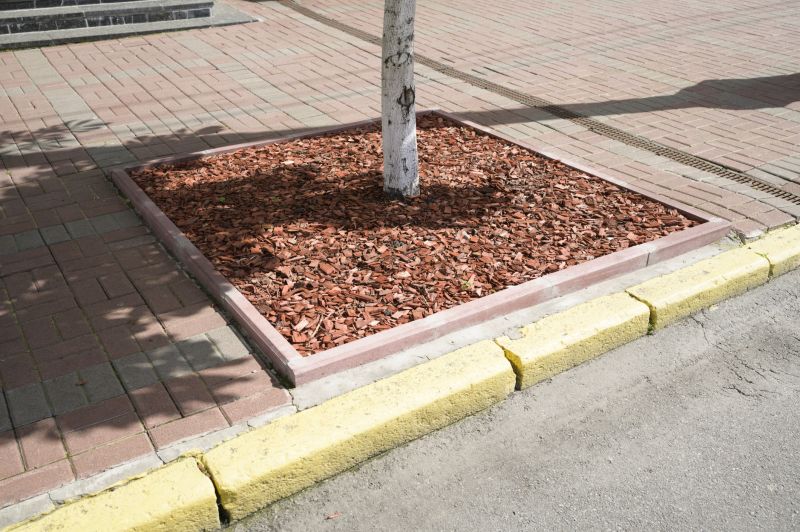
When evaluating potential service providers for tree curbing installation, it’s important to consider their experience with similar projects. Homeowners should look for local contractors who have a proven track record of completing tree curbing work comparable to the scope and style desired. Asking about the types of properties they’ve served and the complexity of past projects can provide insight into their familiarity with different landscapes and design preferences, helping to ensure the chosen professional has the relevant expertise.
Clear, written expectations are essential for a smooth project process. Homeowners should seek out local pros who can provide detailed descriptions of the services offered, including materials used, project steps, and any preparations needed beforehand. Having this information in writing helps prevent misunderstandings and ensures everyone is aligned on the scope of work. It’s also wise to clarify what the project will and will not include, establishing a transparent foundation for the partnership.
Reputable references and effective communication are key indicators of a reliable service provider. Homeowners can ask local contractors for references from previous clients with similar projects to gauge satisfaction and quality of work. Good communication involves timely responses, clarity in explanations, and a willingness to answer questions throughout the process. While the site introduces homeowners to local options, it’s important to select a professional who demonstrates professionalism, transparency, and responsiveness to foster confidence in the project’s success.
Property owners use Tree Curbing Installation services for practical projects around their homes and businesses. This guide focuses on everyday jobs and straightforward project options.
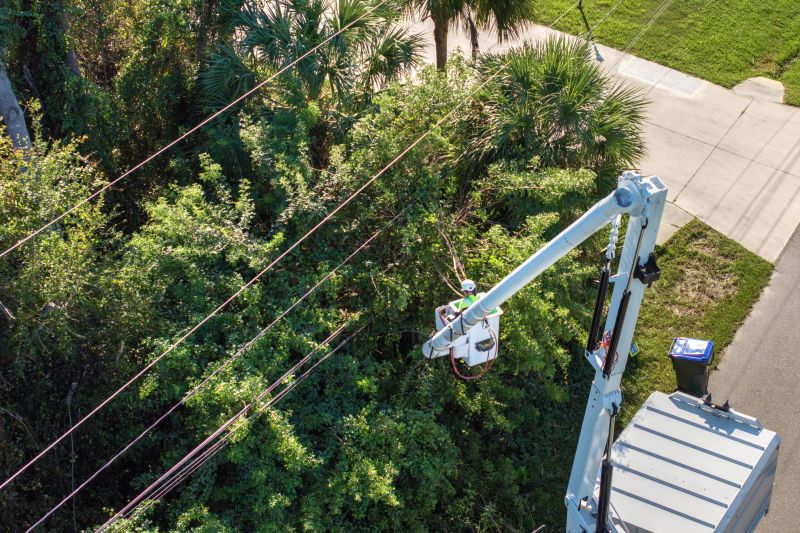
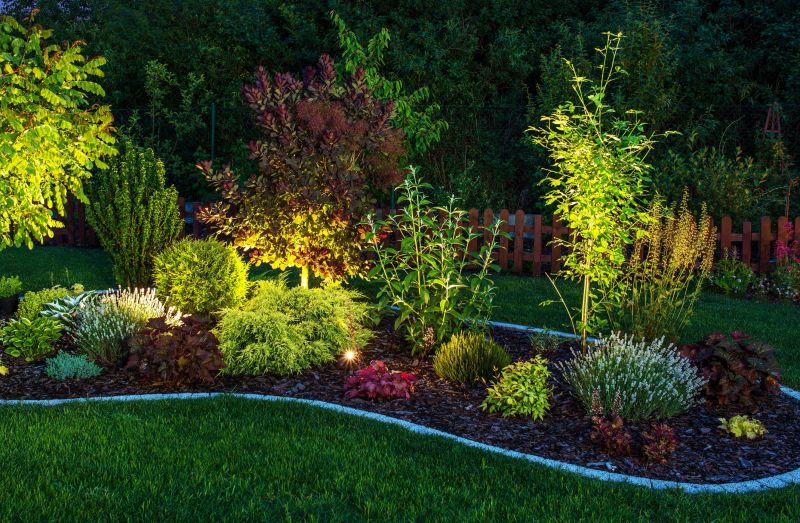
Tree curbing installation is a common project for property owners who want to improve the appearance and structure of their landscapes. Whether planting new trees, managing existing ones, or creating defined borders around garden beds, local contractors can help ensure the work is done properly and safely. These services are often sought after when homeowners or business owners want to enhance curb appeal, prevent tree roots from damaging sidewalks or driveways, or simply maintain a neat and tidy yard.
Property owners might also look for tree curbing installation when preparing for seasonal changes or addressing issues like overgrown roots or unstable trees. Local service providers can assist with installing durable curbing that helps contain roots, protect lawns, and provide a clean, finished look to outdoor spaces. Connecting with experienced contractors in the area can make it easier to find the right solutions for maintaining a healthy and attractive landscape.
What is tree curbing installation? Tree curbing installation involves creating a barrier or border around the base of a tree to protect its root zone and improve landscape aesthetics. Local contractors can handle this service to help maintain healthy trees and enhance yard appearance.
Why should I consider tree curbing for my property? Tree curbing can help prevent soil erosion, protect roots from damage, and provide a clean, defined look to your landscape. Local service providers can customize the curb design to suit your landscape needs.
What materials are used for tree curbing? Common materials for tree curbing include brick, stone, concrete, or wood. Local contractors can recommend suitable options based on your landscape style and durability preferences.
Can tree curbing be installed around any type of tree? Tree curbing is generally suitable for most tree types, especially those with prominent root zones. Local pros can assess your trees and determine the best approach for installation.
How does tree curbing installation benefit tree health? Proper curbing helps protect roots from mechanical damage, reduces soil compaction, and can improve water drainage, all contributing to healthier tree growth. Local service providers can ensure the installation supports your trees' well-being.
Tree Curbing Installation for Landscape Design - Enhance the visual appeal of yards by defining planting areas and creating clean edges around trees.
Tree Curbing for Tree Health and Maintenance - Protect tree roots from damage caused by lawn equipment and foot traffic with a durable curb.
Tree Curbing for Property Safety - Reduce trip hazards and prevent soil erosion around trees in high-traffic areas or sloped landscapes.
Tree Curbing for Property Boundaries - Clearly mark property lines and separate different landscape zones with professionally installed curbing.
If you are thinking about Tree Curbing Installation for a property, this guide is meant to help you understand the work, the typical project types, and how different options might fit your plans.
When you are ready, you can use the quote form on this page to share a few details about your project. From there, local pros can review the basics and respond with options that match what you have in mind.